UNP Polyvalves (India) Pvt Ltd. over all these years has been exporting to 45+ countries in the world including market such as USA, Europe, Latin America, Africa, Russia, South East Asia, Australia etc...
About UNP Polyvalves (India) Pvt Ltd.
Valve Solutions
UNP Polyvalves has been manufacturing and supplying valve solutions for corrosive applications since 1988.
Considering Indian market not having a good valve manufacturing plants for corrosive application valves in 80's, taking up the challenge UNP started its first manufacturing plant just admeasuring 1600 square feet, it started with manufacturing of solid plastic valves in very few options in terms of material of construction, type of valves and size range.
UNP today provides both Solid Plastic and Lined, Ball Valves, Plug Valves, Butterfly Valves, Diaphragm Valves, Ball Check Valves, Swing Check Valves, Sampling Valves, Double Window and Full View Sight Glasses, Y and T type strainers, Lined Pipes and Fittings with sizes ranging from ½ " to 24".
100%
Quality Tested Products210,000+
Sq.ft Factory Spread5000+
Satisfied CustomersOur Products
Lined Valves
UNP uses 100% virgin lining materials and is buying directly from the sources such as dyneon, chemours, solvay, Ilyondell basell etc. ensuring that the best and uniform quality of lining is done for UNP lined valves ensuring high reliability in terms of life and performance.

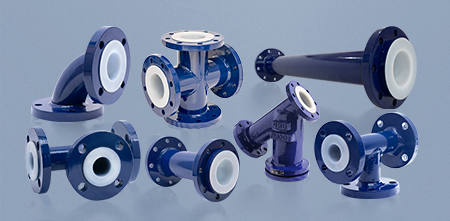
Lined Pipe & Fittings
UNP lined pipes & fittings are available in
Lining materials options: PFA / FEP / PVDF / ETFE / PPH / Anti-static PFA
Size range: 1/2" to 24"
MOC options: PP, ISO.PP, PVDF, PPH
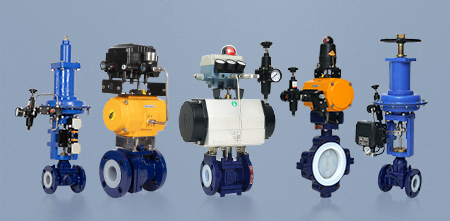
Control Lined Valves
Our rigorously tested control lined valve packages are trusted worldwide to deliver precise control, enhanced productivity, and reduced costs in any process condition.
At a Glance

30+
Years Of Experience

45+
Country Presence

250+
Employees

SIL - 3 & CE
Certified Products
Around the World

Our Clients
LIST OF CONSULTANT & EPC CONTRACTORS WHERE UNP POLYVALVE APPROVED